
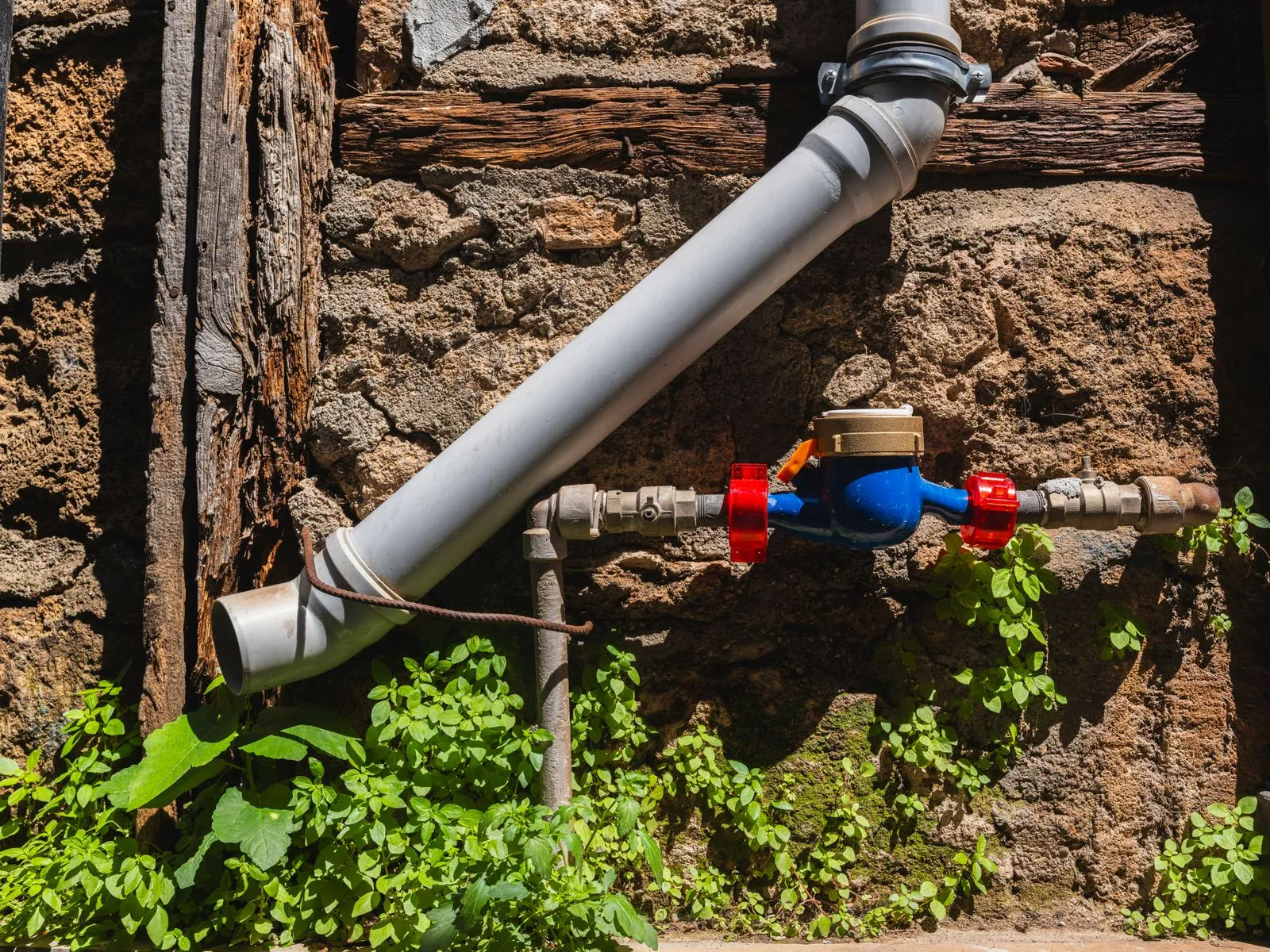
A backflow preventer helps keep contaminated water from flowing into your clean water supply. When the device leaks, shows visible damage, or does not pass a required test, it may need professional attention. Some warning signs are easy to see, while others require inspection and testing. Knowing what to look for can help you respond promptly without trying repairs that could affect the device’s safety or performance.
Check for Leaks and Drips
Look for water around the preventer, its shutoff valves, pipe connections, and any relief opening. A steady drip, pooling water, or damp ground beneath the assembly can point to a worn seal, loose connection, pressure issue, or internal failure. Even a small leak deserves attention because it can worsen and may indicate that the device is not operating as intended.
Do not cover the assembly or block its drain opening to control a leak. If water is actively flowing, keep clear of electrical equipment and belongings that could be damaged. Note where the water appears and whether the flow is constant or intermittent, then contact a backflow prevention plumber for an assessment.
Look for Visible Damage
Inspect the device from a safe distance for cracked or bent parts, loose fittings, heavy corrosion, damaged insulation, or signs of impact. Outdoor units can also be affected by freezing temperatures, shifting soil, landscaping work, or accidental contact. Do not touch a damaged assembly if it is under pressure or spraying water.
A missing cap or seal, signs of tampering, or a valve that appears out of position can also warrant a professional check. Avoid tightening fittings or turning valves unless a plumber has instructed you to do so. Changing the valve position can interrupt water service or interfere with proper operation.
Notice Changes in Water Service
A sudden drop in water pressure, unusual noise near the assembly, or water that looks or smells different should not be ignored. These symptoms can have causes unrelated to the preventer, so they do not confirm a device failure. Still, if the change began after a leak, freeze, repair, or other event near the assembly, arrange an inspection.
If you suspect water contamination, stop using the affected water for drinking, cooking, and food preparation until the concern has been assessed. Contact your water utility or local public health authority for guidance, and ask a licensed plumbing professional to inspect the system. Do not rely on appearance alone to determine whether water is safe.
Know When to Call a Plumber
Call a backflow prevention plumber if you see persistent leakage, visible damage, a failed test, or a device that has been struck, frozen, or altered. A professional can inspect the assembly, identify the cause, and determine whether it needs repair, replacement, or testing. Follow any testing or reporting requirements that apply to your property and local rules.
When you call, describe the device’s location, the signs you noticed, when they started, and whether the water supply or pressure changed. If the leak is severe, contact a plumber promptly and ask how to protect the area while you wait. Harbour Backflow serves Halifax; verify service availability and contact details directly before booking.
Leaks, corrosion, impact damage, and failed testing are reasons to arrange a professional assessment. Avoid disassembling the device or adjusting its valves, since incorrect changes can affect water protection. If you notice a warning sign, contact a qualified backflow prevention plumber to determine the next step.